How I Stopped Just Saving and Started Growing My Pension
You’re not alone if you’ve been putting money into your pension for years, only to feel like it’s barely moving. I felt the same—watching contributions disappear into a black box, hoping it would be enough. Then I realized: saving isn’t enough. The real game is growing what you’ve got. This is the shift that changed everything for me—from passive saver to active builder—without taking reckless risks or becoming a finance nerd. It wasn’t about chasing high-flying stocks or mastering complex trading strategies. It was about understanding what I already had, making small but meaningful adjustments, and staying consistent over time. This is the journey from feeling powerless about my future to feeling in control—and how you can make that same shift, no matter where you are in life.
The Wake-Up Call: When Saving Wasn’t Enough
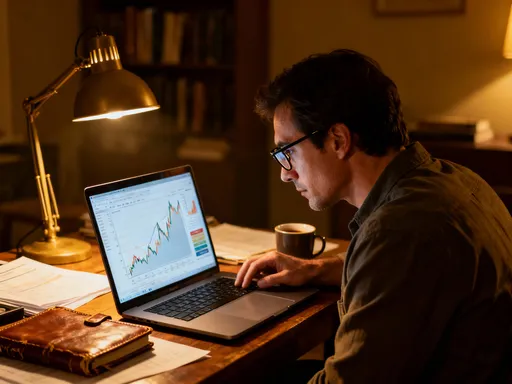
For years, I believed I was doing the right thing. I set up automatic pension contributions through my employer, watched the deductions come out of my paycheck, and assumed that, over time, it would grow into something substantial. I didn’t question it. I didn’t look closely. I just trusted the system. But one evening, while reviewing my annual pension statement, I had a moment of clarity that stopped me in my tracks. The balance was higher than when I started—but not by much. When I adjusted for inflation, the real value of my pension had barely increased at all. That was the wake-up call. I wasn’t building wealth; I was simply storing money in a way that couldn’t keep up with rising living costs.
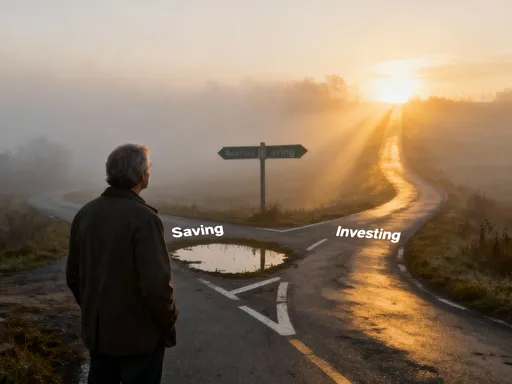
This is a reality many people face without realizing it. Saving money in a pension is essential, but saving alone isn’t the same as growing wealth. The key difference lies in how your money is used. When you save, you’re preserving capital—keeping it safe, often in low-interest accounts or conservative funds. When you invest, you’re putting that money to work, allowing it to earn returns over time through exposure to assets like stocks, bonds, and real estate. Over the long term, even modest returns can compound significantly. But if your pension is stuck in low-growth investments, you’re missing out on that potential.
What made this realization so powerful was understanding the time horizon involved. Most people contribute to a pension for decades, often starting in their twenties or thirties and retiring in their sixties. That’s a 30- to 40-year window. During that time, inflation typically averages around 2% to 3% per year. That means the cost of living roughly doubles every 25 years. If your pension isn’t earning at least that much in annual returns, you’re effectively losing purchasing power. I had been treating my pension like a savings jar—something to tuck money into and forget about. But a pension is not a savings account. It’s a long-term investment vehicle, and it needs to be managed with growth in mind.
The good news? You don’t need to become an expert investor to make a difference. You don’t need to monitor the stock market every day or pick individual stocks. What you do need is awareness—knowing where your money is going, understanding the basic principles of growth, and being willing to make small, informed choices. That shift in mindset—from passive saver to intentional builder—was the first step in transforming my financial future. And it’s one that anyone can take, regardless of income level or financial background.
The First Step: Understanding What You Actually Own
Once I realized that saving wasn’t enough, my next question was simple: What is my pension actually invested in? I logged into my pension provider’s website, expecting to see a clear breakdown of my portfolio. Instead, I was met with vague terms like “default fund” and “balanced strategy.” There were percentages and charts, but no real explanation of what those numbers meant. Like many people, I had no idea what my money was doing. I assumed the professionals were handling it wisely, but I didn’t know for sure. That uncertainty was uncomfortable—and it motivated me to dig deeper.
I started by downloading the fund factsheets, which are documents that explain what a pension fund invests in, how it’s managed, and what fees are charged. These weren’t easy to read at first. They were filled with terms like “equities,” “fixed income,” and “tracking error.” But I took the time to look up each term, piece by piece. Slowly, a picture emerged. My pension was in a default fund—a one-size-fits-all option designed for people who don’t want to make active choices. It was heavily weighted toward low-risk assets like government bonds and cash, with only a small portion in stocks. That explained the sluggish growth. While these funds are safe, they’re not built for long-term wealth creation. They’re designed to preserve capital, not grow it aggressively.
What surprised me even more was the fee structure. I discovered that my fund charged an annual management fee of 0.8%, which didn’t sound like much. But when I ran the numbers over 30 years, I realized that even a small percentage could cost me tens of thousands in lost returns. Fees are often hidden in the fine print, but they come directly out of your investment returns. Over time, they compound just like growth—but in the wrong direction. I also found additional charges for administration, transaction costs, and even performance fees in some cases. All of this was happening silently, without my knowledge or consent.
Understanding what I actually owned was a turning point. It gave me control. I wasn’t angry at my provider—I knew they were offering a standard product. But I realized that if I wanted better results, I needed to take ownership. I didn’t have to become a financial expert, but I did need to be informed. I started comparing my fund to others, looking for options with lower fees, better transparency, and a more balanced mix of growth-oriented assets. This wasn’t about chasing high risk. It was about making sure my money was working as hard as it could, without unnecessary drag from hidden costs. Knowledge didn’t just give me power—it gave me peace of mind.
Small Shifts, Big Impact: Rebalancing Without Risking It All
With a clearer understanding of my pension, I was ready to make changes. But I wasn’t interested in dramatic moves. I didn’t want to gamble on volatile stocks or try to time the market. My goal wasn’t to get rich quickly—it was to grow my pension steadily and safely over time. What I learned is that you don’t need to take big risks to see better returns. Sometimes, the most powerful changes are the quietest ones. For me, that meant rebalancing my portfolio to include a more strategic mix of assets—something that aligned with my age, goals, and risk tolerance.
I started by shifting a portion of my pension from the default fund into a diversified growth fund. This type of fund spreads investments across different asset classes—stocks, bonds, real estate, and sometimes alternative investments—reducing the risk of any single market downturn wiping out my savings. The idea isn’t to pick winners, but to stay invested across a range of opportunities. Historically, global stock markets have returned an average of about 6% to 7% per year over the long term, after inflation. Bonds, while slower, offer stability and regular income. By combining them, I could benefit from growth while protecting against major losses.
One of the most important lessons I learned was the power of time in the market, rather than trying to time the market. I used to think I needed to wait for the “right moment” to invest. But the truth is, no one can predict short-term market movements. What matters is consistency. The longer your money is invested, the more it can benefit from compounding—earning returns not just on your contributions, but on the returns themselves. Even a modest increase in annual growth can make a huge difference over decades. For example, a 1% improvement in average annual returns could result in 25% to 30% more in your pension pot after 30 years.
I also adjusted my asset allocation based on my timeline. When you’re younger, you can afford to take on more risk because you have time to recover from market dips. As you get closer to retirement, it makes sense to gradually shift toward more conservative investments. I didn’t make these changes overnight. I did it gradually, reassessing every few years. This approach removed the pressure to make perfect decisions and helped me stay calm during market fluctuations. Rebalancing wasn’t about chasing performance—it was about staying on track with a plan that made sense for my life.
The Hidden Enemy: Fees That Steal Your Returns
One of the most eye-opening discoveries in my pension journey was the impact of fees. At first, I dismissed them as minor—a small price to pay for professional management. But when I looked deeper, I realized they were silently eroding my returns. Consider this: if two pension funds deliver the same investment performance, but one charges 0.5% in annual fees and the other charges 1.5%, the lower-cost fund will leave you with significantly more money over time. The difference might seem small each year, but compounded over decades, it can amount to tens of thousands of pounds or dollars lost.
I started by comparing the total expense ratio (TER) of my current fund with lower-cost alternatives. The TER includes management fees, administrative costs, and other expenses. I found that many index-tracking funds—also known as passive funds—charged as little as 0.1% to 0.3% per year. These funds don’t try to beat the market; they simply follow it, which reduces the need for active management and lowers costs. Studies have shown that over the long term, most actively managed funds fail to outperform their benchmarks after fees are taken into account. By switching to a low-cost, diversified index fund, I was able to keep more of my returns without sacrificing performance.
But fees aren’t just about the management charge. There are often hidden layers—transaction fees when the fund buys and sells assets, custody fees for holding your investments, and even performance fees that reward managers for beating a benchmark. Some providers also charge exit fees if you decide to switch plans. I reviewed my pension documents carefully and asked my provider for a full breakdown of all costs. It wasn’t easy, but it was worth it. Once I understood the full picture, I made the switch to a lower-cost provider with greater transparency.
The impact wasn’t immediate, but it was real. Over time, the savings from lower fees compounded, boosting my overall returns. I didn’t have to take on more risk or work harder—just make a smarter choice. This wasn’t about being cheap; it was about being efficient. Every pound or dollar saved in fees is a pound or dollar that stays in my pension, working for me. In the world of long-term investing, small differences in cost can lead to massive differences in outcome. By paying attention to fees, I turned an invisible drain on my wealth into a source of silent growth.
Consistency Over Perfection: Building Habits That Last
Even the best investment strategy won’t work if you don’t stick with it. I learned this the hard way. There were moments when I wanted to pull back—when the market dipped, or when I faced unexpected expenses. But I realized that long-term growth depends on consistency, not perfection. The most successful investors aren’t the ones who make brilliant moves at the right time. They’re the ones who stay the course, month after month, year after year. For me, that meant building habits that made saving and investing automatic, so I wouldn’t have to rely on willpower.
I started by setting up automatic pension top-ups. Every time I got a raise, I increased my contribution by a small percentage—just 1% or 2%. This “pay yourself first” approach ensured that I saved before I had a chance to spend. I also timed my contributions to line up with my payday, so the money was directed to my pension before it even hit my checking account. These small changes removed the temptation to delay or skip contributions. Over time, they added up. Because of compound growth, even modest increases in contributions can lead to significantly larger balances decades later.
I also stopped checking my pension balance too frequently. Early on, I would log in every few weeks, watching the numbers go up and down. It was stressful. Market fluctuations felt personal, even though they were normal. I realized that checking too often only fueled anxiety and made me question my choices. So I set a rule: I would review my pension once a year, during my annual financial check-in. This allowed me to stay informed without being reactive. I focused on the long-term trend, not the short-term noise.
Another habit I built was regular education. I didn’t try to learn everything at once. Instead, I spent 15 to 20 minutes each month reading about investing, pensions, or financial planning. I followed trusted sources, listened to podcasts, and reviewed my provider’s updates. This kept me informed and confident in my decisions. Over time, what once felt overwhelming became routine. Consistency didn’t require heroic effort—just small, sustainable actions repeated over time. And those actions, multiplied by decades, created real transformation.
Knowing When to Seek Help (and When You Don’t Need To)
Throughout this journey, I wrestled with a common question: Do I need a financial advisor? At first, I assumed the answer was yes. I thought only professionals could navigate the complexities of pensions and investments. But as I learned more, I realized that for many people, especially in the early and middle stages of saving, the basics can be managed independently. Free tools, government resources, and reputable online platforms offer guidance on contribution limits, tax benefits, and investment options. For straightforward decisions—like choosing a low-cost fund or adjusting your asset allocation—you may not need personalized advice.
That said, there are times when professional help makes sense. As your pension grows, the stakes get higher. Decisions about when to retire, how to draw down your savings, and how to minimize taxes become more complex. At that point, a qualified financial advisor can provide valuable insights tailored to your situation. I eventually consulted one when I was within ten years of retirement. We reviewed my projected income, tax implications, and withdrawal strategies. It wasn’t about handing over control—it was about getting a second opinion and ensuring I wasn’t missing anything important.
The key is knowing the difference between general knowledge and personalized advice. If you’re just starting out, focus on building a solid foundation: contribute consistently, keep fees low, and maintain a diversified portfolio. Use free resources to stay informed. But as your financial life becomes more complex—perhaps you have multiple pensions, inherit assets, or run a business—it may be worth paying for expert guidance. A good advisor doesn’t promise high returns. Instead, they help you avoid costly mistakes, optimize your strategy, and stay on track toward your goals.
I also learned to be selective about who I trusted. Not all advisors are the same. I looked for fee-only planners—those who charge a flat rate or hourly fee rather than earning commissions from selling products. This alignment of incentives gave me confidence that their advice was in my best interest. I asked questions, checked credentials, and made sure I understood how they were compensated. Seeking help isn’t a sign of weakness—it’s a sign of responsibility. But it’s important to do it wisely.
Looking Back: What I Wish I’d Known Sooner
If I could go back and talk to my younger self, I would say this: Start earlier. Ask more questions. Don’t be afraid of growth. I spent years assuming my pension was “taken care of” because I was making contributions. But I now know that the most powerful decisions happen after you start saving—when you take control of how that money is invested. The earlier you make these adjustments, the more time compounding has to work in your favor. Even small changes, made decades in advance, can lead to dramatically better outcomes.
I also wish I had understood that investing doesn’t have to be intimidating. You don’t need to predict the market or pick individual stocks. You just need a basic understanding of how growth works, what fees to watch for, and how to stay consistent. The mindset shift—from seeing my pension as a chore to seeing it as an opportunity—was the most important change of all. Once I started viewing my contributions as seeds planted for the future, I became more engaged, more intentional, and more confident.
Another lesson was the value of simplicity. I used to think more complexity meant better results. But the most effective strategies are often the simplest: save regularly, invest in a diversified portfolio, keep costs low, and stay the course. You don’t need to chase the latest trend or switch funds every year. In fact, doing less can often lead to better outcomes. Patience, discipline, and clarity are more powerful than any financial product or market insight.
Finally, I learned that this journey isn’t just about money. It’s about peace of mind. It’s about knowing that you’re doing your best to secure a comfortable future for yourself and your family. It’s about reducing anxiety and building confidence. Every smart choice you make today—no matter how small—adds up to a more secure tomorrow. I’m not rich. I don’t have a huge pension pot. But I do have something better: control. And that, more than anything, has changed my relationship with money and retirement.
Conclusion
Improving your pension returns isn’t about complex schemes or risky bets. It’s about making informed choices, staying consistent, and understanding the basics of how money grows over time. You don’t need to be a financial expert to make a difference. You just need to pay attention, ask questions, and take small, deliberate steps. The shift from passive saving to active growth doesn’t require dramatic changes—just a willingness to look under the hood and make sure your money is working as hard as you do. Over decades, the impact of lower fees, smarter investments, and steady contributions can be transformative. Your future self will thank you for the clarity, the discipline, and the courage to take control. This isn’t about getting rich. It’s about building a retirement that reflects the life you’ve worked for—and the peace of mind that comes with knowing you’ve done your best.