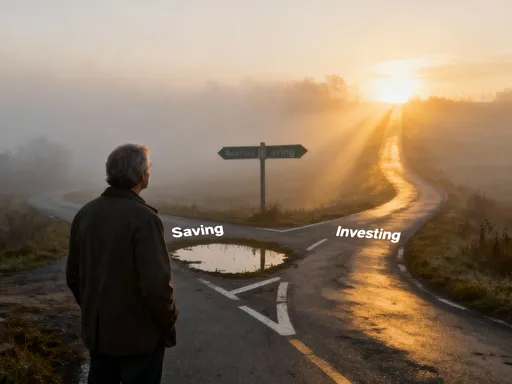
How I Turned Yoga Classes into a Smart Financial Move
What if your weekly yoga session could do more than just calm your mind—what if it boosted your finances too? I never thought about it until I started treating my yoga classes as more than just self-care. By applying simple financial tools and mindset shifts, I turned a personal habit into a strategic asset. This is not about making money teaching yoga—it’s about smarter spending, risk-aware planning, and using real-world habits to build long-term value. Over time, I realized that every dollar spent on wellness carries an opportunity cost, but also a potential return. When approached with intention, even small lifestyle choices can become part of a disciplined financial strategy that supports both health and wealth.
The Hidden Cost of Wellness: Why Yoga Isn’t Just a Luxury
Yoga is often marketed as a path to peace, flexibility, and balance—but rarely as a line item on a budget spreadsheet. Yet for many regular practitioners, attending classes is a recurring expense that can quietly grow into a significant financial commitment. A single session at a local studio might seem modest, often ranging between $15 and $25, but when attended weekly, that adds up to over $700 a year. Opting for a monthly membership or class package increases the upfront cost, sometimes reaching $100 or more per month. While these amounts may not rival mortgage payments, they represent a consistent outflow of funds that, if unexamined, can strain household budgets over time.
More than the dollar amount, the real financial weight lies in how wellness spending is perceived. Because yoga is tied to self-care and emotional well-being, it often escapes the scrutiny applied to other discretionary purchases. People are more likely to justify a $90 monthly yoga pass than a $90 streaming subscription, even if both are non-essential. This emotional justification can lead to what behavioral economists call "moral licensing"—the idea that because we’re doing something "good" for ourselves, we’re entitled to spend without limits. The danger here is not the activity itself, but the lack of boundaries around it. Without clear limits, wellness spending can bleed into other financial priorities like emergency savings or retirement contributions.
Another overlooked factor is the structure of payment models offered by studios. Many encourage long-term commitments through discounted packages or auto-renewing memberships. While these appear cost-effective at first glance, they lock users into recurring charges that may continue even after motivation fades. A person who signs up for a six-month unlimited pass during a moment of enthusiasm might stop attending by month three, yet still pay for services never used. This creates a form of financial inertia—paying for something not consumed—similar to unused gym memberships. The result is not just wasted money, but a subtle erosion of financial control.
Treating yoga as a fixed expense, rather than an impulse buy, changes how it’s managed. When individuals categorize wellness spending alongside utilities or groceries, they begin to evaluate its value more objectively. They ask: Is this improving my quality of life enough to justify the cost? Could I achieve similar benefits at a lower price? These questions shift the mindset from passive consumption to active stewardship. Recognizing that every dollar spent has an alternative use—such as debt reduction or investment—brings accountability to personal spending. Awareness is the foundation of financial discipline, and understanding where money goes is the first step toward making intentional choices that align with long-term goals.
From Expense to Investment: Reframing Your Mindset
The shift from seeing yoga as an expense to viewing it as an investment begins with a change in perspective. Traditionally, expenses are seen as money leaving the household with no return, while investments are expected to generate future value. On the surface, paying for yoga classes fits the expense category. But when we consider the broader impact of consistent practice—on physical health, mental clarity, and emotional resilience—it becomes clear that this spending may yield measurable returns over time. The key is to recognize that health is a form of capital, just like financial assets, and maintaining it contributes directly to long-term productivity and well-being.
Research in preventive medicine supports this view. Chronic stress, a common condition in modern life, is linked to a host of expensive health issues, including hypertension, heart disease, and weakened immune function. Regular yoga practice has been shown in multiple studies to reduce cortisol levels, improve sleep quality, and enhance emotional regulation. While these benefits are personal, their financial implications are real. Lower stress levels can mean fewer doctor visits, reduced reliance on medication, and decreased absenteeism from work. Over years, these small advantages compound into significant savings on healthcare costs and lost income. In this sense, the monthly yoga fee is not just a lifestyle cost—it’s a form of risk mitigation, much like insurance.
Beyond medical savings, there’s a professional dimension to consider. Improved focus, better energy management, and enhanced emotional stability—all outcomes associated with consistent yoga practice—can lead to stronger performance at work. A person who manages stress effectively is more likely to stay engaged, solve problems creatively, and maintain positive relationships with colleagues. These intangible qualities often translate into tangible outcomes: promotions, bonuses, or career advancement. While it’s difficult to assign a precise dollar value to increased job performance, the connection between personal wellness and professional success is well documented in organizational psychology. Viewing yoga as part of a personal development strategy reframes it as a tool for income protection and growth, not just relaxation.
This mindset shift doesn’t require dramatic changes in behavior, but it does require intentionality. Instead of treating yoga as a guilty pleasure or a luxury splurge, it’s more accurate to see it as maintenance for the most important asset you have—yourself. Just as a business invests in employee training or equipment upkeep, individuals should invest in their own sustainability. When approached this way, spending on wellness is no longer about indulgence; it’s about long-term value creation. The return may not come in quarterly dividends, but in fewer sick days, better decision-making, and a higher quality of life. By aligning personal habits with financial logic, individuals gain greater control over both their health and their economic future.
Budgeting Tools That Actually Work for Lifestyle Spending
Once the mindset shift has taken place, the next step is practical application: how to manage wellness spending without sacrificing other financial goals. The challenge isn’t eliminating enjoyment, but integrating it into a sustainable financial plan. Traditional budgeting often fails because it relies on willpower alone, setting rigid limits that are easily broken when emotions run high. A more effective approach uses behavioral tools designed to work with human tendencies, not against them. These methods help individuals allocate funds for lifestyle activities like yoga in a way that feels empowering rather than restrictive.
One proven strategy is the envelope system, adapted for the digital age. Instead of carrying cash, users set up separate bank accounts or digital wallets for different spending categories—such as groceries, transportation, and wellness. A fixed amount is transferred to the “wellness fund” each month, based on what the household can afford. Once that amount is spent, no additional money is moved into the category until the next cycle. This creates a natural boundary that prevents overspending while still allowing freedom within limits. The psychological benefit is significant: because the money is pre-allocated, there’s no guilt or second-guessing when making a purchase. The decision was already made in advance, during a moment of clarity.
Automation enhances this system. By setting up recurring transfers on payday, individuals ensure that wellness is funded consistently without requiring constant attention. For example, $80 could be automatically directed to the wellness account each month, aligning with the cost of a typical yoga package. This method leverages the principle of “paying yourself first,” traditionally applied to savings but equally effective for discretionary spending. When the funds are already set aside, the act of attending class feels like using money that was intentionally earned for that purpose, rather than dipping into general funds that might be needed elsewhere.
Another useful tool is category tracking through budgeting apps. Many platforms allow users to tag transactions by purpose, making it easy to see exactly how much is spent on fitness and wellness over time. Reviewing this data monthly helps identify patterns—such as increased spending during stressful periods—and allows for course correction. Some apps even send alerts when a category is nearing its limit, providing real-time feedback that supports mindful spending. The goal is not to eliminate spending, but to make it visible and deliberate. When individuals can see the full picture, they’re more likely to adjust behavior based on priorities, not impulses.
These tools work best when combined with a positive framing. Instead of saying, “I can’t afford yoga this month,” the language becomes, “I’m choosing to fund my wellness because it supports my overall stability.” This subtle shift reinforces the idea that budgeting isn’t about deprivation, but about alignment. Every dollar spent is a vote for the kind of life you want to live. By using structured systems to manage lifestyle spending, individuals gain confidence that their choices are both enjoyable and responsible.
Risk Control: Avoiding Burnout and Financial Drift
Just as financial advisors recommend diversifying investment portfolios to reduce exposure to any single asset, individuals should diversify their lifestyle commitments to avoid overreliance on one form of spending or activity. Signing a long-term contract for unlimited yoga classes may feel like a smart financial move at the time, but it carries inherent risk. Enthusiasm in the short term doesn’t guarantee sustained interest, and life circumstances—such as changes in work schedule, family needs, or health—can disrupt even the most well-intentioned routines. When a person pays upfront for services they no longer use, it represents a preventable financial loss.
The risk of emotional commitment is particularly high in wellness spending. Because yoga is tied to identity and self-image, people may feel pressure to continue attending classes even when their motivation has waned. This can lead to a cycle of guilt and disengagement, where the individual pays for something they dread doing. From a financial standpoint, this is inefficient and avoidable. A more prudent approach is to treat new habits like pilot programs—testing them on a short-term basis before making larger commitments. Most studios offer trial periods, drop-in rates, or introductory packages that allow users to experience the environment without long-term obligations.
Using these low-risk entry points makes it easier to assess fit and sustainability. A person might try a studio for three weeks, attending two classes per week, to see how it integrates into their schedule. If the practice feels valuable and manageable, then a longer-term package may be justified. If not, they can walk away with minimal financial loss. This approach mirrors the due diligence used in business decisions—evaluating return on investment before scaling up. It also builds financial resilience by preventing sunk cost fallacy, the tendency to continue spending just because money has already been spent.
Another key strategy is building exit options into subscriptions. Some digital platforms and studios now offer month-to-month memberships with no cancellation fees, recognizing that flexibility increases customer trust and long-term engagement. Choosing these options, even if slightly more expensive per session, provides valuable insurance against changing circumstances. It allows individuals to maintain control over their spending and adapt as needed. The goal is not to avoid commitment altogether, but to make it reversible and responsive. In personal finance, as in investing, the ability to adjust course is a critical component of long-term success.
Monetizing the Habit: When Passion Meets Practicality
While most people won’t—and shouldn’t—turn their yoga practice into a side business, there are ethical and realistic ways to generate value from a consistent wellness habit. The key is organic growth: allowing skills and knowledge to develop naturally over time, rather than forcing monetization. For some, the discipline and mindfulness cultivated through regular practice translate into improved performance in their primary career. A person who manages stress more effectively may become a better manager, communicator, or problem-solver, qualities that often lead to raises or promotions. In this sense, the financial return isn’t direct, but it’s real and measurable.
Others have found opportunities in content creation, sharing their journey through blogs, social media, or videos. These platforms allow individuals to document their progress, offer tips, and connect with like-minded communities. When done authentically, this can lead to affiliate partnerships with wellness brands, where creators earn a small commission for recommending products they already use. These arrangements are not about aggressive selling, but about transparency and trust. The income generated is typically modest, but it can offset some of the costs associated with the practice, such as clothing, equipment, or class fees.
Some have leveraged their experience into freelance work, such as organizing wellness events, writing for health publications, or consulting on workplace wellness programs. These opportunities arise not from a desire to profit from yoga, but from the credibility and expertise gained through consistent engagement. The financial benefit is secondary to the personal growth, but it reinforces the idea that disciplined habits often open unexpected doors. The most successful examples are those where monetization feels like a natural extension of the practice, not a departure from it.
It’s important to emphasize that this is not a call to commercialize every hobby. Forcing a passion into a profit model can drain its joy and lead to burnout. The focus should remain on intrinsic value—how the practice improves daily life. When financial benefits do emerge, they should be seen as bonuses, not expectations. The real win is creating a lifestyle where personal well-being and financial health support each other, rather than compete.
Comparing Alternatives: Studio vs. Digital vs. DIY
One of the most effective ways to optimize wellness spending is to evaluate the available options objectively. There are three primary models for accessing yoga: in-person studio classes, digital platforms, and self-guided practice. Each has distinct financial and experiential trade-offs, and the best choice depends on individual preferences, schedule, and budget. By comparing them honestly, individuals can make informed decisions that maximize both value and satisfaction.
Studio classes offer structure, community, and expert instruction. The presence of a teacher and fellow practitioners can enhance motivation and alignment, making it easier to stay consistent. However, this comes at a premium. Beyond the per-class cost, there are time and transportation expenses to consider. For someone with a tight schedule or limited mobility, the logistical burden may outweigh the benefits. The social aspect, while valuable, can also create pressure to attend even when not needed, leading to wasted spending.
Digital platforms provide a middle ground. Subscription services offer access to hundreds of classes at a fraction of studio prices, often for less than $20 per month. Users can practice at home, on their own schedule, and revisit favorite sessions. The quality varies, but many platforms feature certified instructors and structured programs. The downside is the need for self-discipline—without external accountability, it’s easier to skip sessions. However, for those who value flexibility and cost-efficiency, digital yoga can be a sustainable alternative.
Self-guided practice, or DIY yoga, requires the least financial investment. Using free online videos, books, or memory-based routines, individuals can maintain a practice with almost no cost. This model demands the highest level of personal commitment, as there is no external structure or guidance. But for experienced practitioners, it can be deeply rewarding. It also allows for complete customization, focusing on specific needs like back care or breathing exercises. Over time, this approach can lead to greater self-reliance and a deeper connection to the practice.
The optimal strategy may involve a combination of all three. A person might attend a studio class once a week for community and alignment, use a digital platform for midweek sessions, and practice independently on weekends. This hybrid model balances cost, convenience, and quality, creating a sustainable routine that adapts to changing needs. The financial benefit is clear: by aligning the method with lifestyle, individuals gain more value for less money.
Building a Sustainable Financial Routine Around Wellness
The journey from viewing yoga as a luxury to seeing it as a strategic financial decision illustrates a broader principle: true financial health is not just about earning more or saving aggressively, but about making intentional choices across all areas of life. When individuals apply financial tools—such as budgeting, risk assessment, and cost-benefit analysis—to everyday habits, they gain greater control over their resources and outcomes. Wellness spending, often dismissed as frivolous, becomes a powerful opportunity to practice discipline, foresight, and self-awareness.
The integration of health and wealth is not a one-time adjustment, but an ongoing process of alignment. It requires regular review, honest assessment, and willingness to adapt. Just as investment portfolios are rebalanced over time, personal routines should be evaluated to ensure they still serve their intended purpose. A class that once brought joy and energy may no longer fit a changed lifestyle, and that’s okay. The goal is not perfection, but progress—moving steadily toward a life where financial decisions support well-being, and well-being enhances financial stability.
Ultimately, the most valuable financial tool is mindset. When people stop seeing money as a source of stress and start viewing it as a means to create the life they want, their relationship with spending transforms. Yoga, in this context, is more than a physical practice—it’s a metaphor for balance, presence, and sustainable growth. By treating personal habits with the same care and strategy as financial assets, individuals build a foundation for lasting prosperity. The mat and the budget sheet are not opposites; they are complementary tools for living with intention. True financial health means making informed, deliberate choices—whether you're on the mat or managing your money.