This Is Hiroshima’s Most Instagram-Worthy View – You’ve Gotta See It
Hiroshima is more than history—it’s a visual masterpiece waiting to be discovered. From misty mountain lookouts to glowing shrine gates floating at sunset, the city offers some of Japan’s most breathtaking viewing experiences. I’ll take you through the spots where light, nature, and culture collide in the most photogenic ways. These aren’t just photo ops—they’re moments that stay with you. Let’s explore how to see Hiroshima not just with respect, but with wonder.
The Golden Glow of Miyajima at Dusk
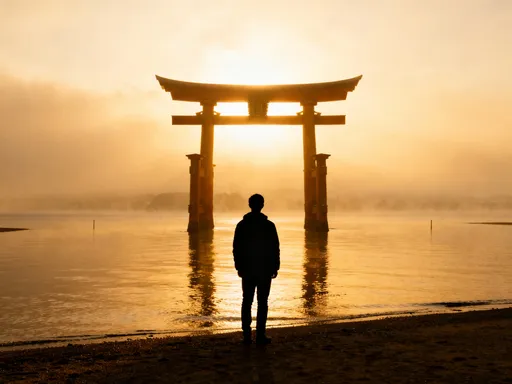
Among the most iconic and widely shared images of Japan is the sight of Itsukushima Shrine’s great torii gate standing in the tidal waters of Miyajima, bathed in the warm, golden light of dusk. This moment, when the sun dips below the horizon and casts a soft amber glow across the Seto Inland Sea, transforms the shrine into a living painting. The reflection of the vermilion gate ripples gently on the surface of the water, creating a mirror image that appears to float between two worlds—earth and sky, reality and dream. It is no surprise that this scene consistently ranks among the most photographed in all of Japan.
What makes this view so powerful is not just the beauty of the structure itself, but the interplay of elements—light, water, timing, and atmosphere. The shrine was intentionally built over water to emphasize its sacred separation from the mainland, and during high tide, the illusion of floating becomes complete. For photographers and casual visitors alike, the golden hour—roughly the last 45 minutes before sunset—offers the ideal balance of warm light and soft shadows. This is when the colors deepen, the contrasts soften, and the entire island seems to exhale into stillness.
To experience this moment at its best, careful planning is essential. Ferries from Hiroshima’s Miyajimaguchi Pier run frequently, but arriving at least 90 minutes before sunset ensures enough time to walk the approach path, explore the shrine grounds, and secure a good vantage point along the waterfront boardwalk. The main viewing area near the pier tends to fill quickly, especially during peak seasons like autumn foliage or spring cherry blossoms. For a more original composition, consider stepping slightly to the left or right of the central platform to capture the gate with fewer people in frame. Using a wide-angle lens can emphasize the vastness of the water, while a telephoto lens compresses the distance, bringing the gate and sunset closer together.
It’s also worth noting that the visual impact changes dramatically with the tide. At low tide, the gate stands on exposed mudflats, and the magical floating effect is lost. Checking the local tide schedule in advance is just as important as monitoring the sunset time. When both high tide and golden hour align, the result is nothing short of cinematic. This is not merely a photo opportunity; it is a moment of harmony between human craftsmanship and natural rhythm—a reminder that the most enduring images are often born from patience and timing.
Peace Memorial Park Through a Lens of Serenity
While Miyajima dazzles with color and light, Hiroshima’s Peace Memorial Park offers a different kind of visual power—one rooted in stillness, symmetry, and emotional depth. The park is a place of remembrance, but it is also a masterclass in architectural and landscape design that invites contemplation through the lens. One of the most photographed compositions within the park is the view across the Reflecting Pool toward the A-Bomb Dome, perfectly framed by water and sky. This image, shared widely around the world, carries both aesthetic beauty and profound historical weight.
The Reflecting Pool was designed to enhance the visual and emotional impact of the A-Bomb Dome, the skeletal remains of the former Hiroshima Prefectural Industrial Promotion Hall. The still surface of the water creates a mirror image of the dome, doubling its presence and reinforcing its symbolic endurance. From a photographic standpoint, this setup offers ideal conditions for minimalist composition. The long, narrow pool acts as a leading line, drawing the eye directly to the dome. The surrounding open space eliminates distractions, allowing the structure to stand in solemn isolation. Using a polarizing filter can reduce glare on the water and enhance the clarity of the reflection, especially on bright days.
Respectful photography is paramount in this space. Visitors are encouraged to maintain a quiet demeanor and avoid posing in ways that could be seen as irreverent. The goal is not to stage a perfect selfie, but to capture the dignity and quiet strength of the site. Many photographers choose black-and-white processing to emphasize contrast and timelessness, stripping away color to focus on form and emotion. The interplay of light and shadow across the dome’s ruined façade can evoke a sense of resilience, making each image a personal meditation on peace and recovery.
The park is most serene in the early morning, when mist often hovers over the water and the first light of day gently illuminates the dome from the east. This soft, diffused light minimizes harsh contrasts and adds a layer of ethereal calm to photographs. Evening visits, particularly around blue hour, offer another compelling option. As the city lights begin to glow and the sky shifts through deep blues and purples, the illuminated A-Bomb Dome becomes a beacon of memory against the darkening water. These quiet moments, when the crowds have thinned and the atmosphere is hushed, allow for images that are not only visually striking but emotionally resonant.
Shukkeien Garden: A Hidden Frame of Seasons
Nestled just a short walk from central Hiroshima, Shukkeien Garden is a traditional strolling garden that unfolds like a living scroll painting. Originally built in the 17th century for the feudal lord of Hiroshima, the garden has been meticulously restored and remains one of the city’s most elegant green spaces. What makes Shukkeien particularly appealing to photographers is its ability to transform with the seasons, offering a fresh visual narrative every few months. Each visit can yield entirely different compositions, making it a rewarding destination for those who return or plan their trips around seasonal highlights.
In spring, the garden is awash with delicate pink cherry blossoms. The weeping cherry trees along the central pond create soft canopies that dip into the water, their reflections rippling with every breeze. The stone bridges, wooden teahouses, and stone lanterns serve as perfect foreground elements, framing the blossoms in ways that add depth and context. Early morning is the ideal time to visit, as the soft light enhances the pastel tones and the garden is less crowded. A slight mist rising from the pond can add a dreamlike quality to images, turning the entire space into a study in tranquility.
By autumn, Shukkeien undergoes a dramatic shift. The maple trees lining the pathways ignite in shades of crimson, orange, and gold, their leaves reflecting vividly in the still waters of the pond. The contrast between the warm foliage and the dark wood of the bridges creates a rich, painterly effect. One of the most photogenic spots is near the central islet, where a small pavilion is surrounded by water on all sides. From the western bank, this scene can be captured with the pavilion in the background and a carpet of fallen leaves in the foreground, creating a layered composition that feels both intimate and expansive.
For those seeking less crowded, more original shots, venturing beyond the main pathways pays off. A quiet corner near the northern edge of the garden features a small waterfall and a moss-covered stone arrangement, partially shaded by overhanging trees. This area, often overlooked by tourists, offers a sense of discovery and serenity. Using a macro lens here can highlight the textures of moss, water droplets, and weathered stone, adding a tactile dimension to visual storytelling. Shukkeien is not just a place to take pictures—it is a place to slow down, observe, and connect with the quiet beauty of nature and tradition.
Mount Misen’s Panoramic Perch
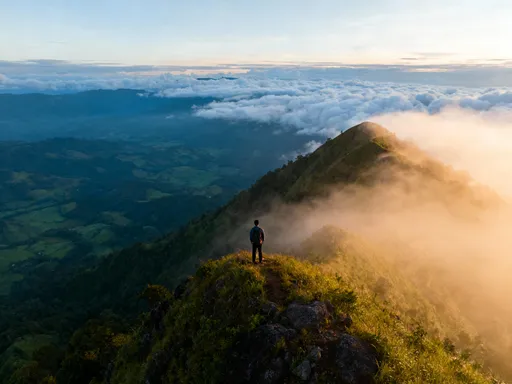
Rising 535 meters above sea level, Mount Misen is the highest peak on Miyajima Island and offers one of the most expansive viewpoints in the Hiroshima region. Whether reached by a scenic ropeway or a forested hiking trail, the summit rewards visitors with a sweeping panorama of the Seto Inland Sea, dotted with small islands and framed by distant mountain ranges. This is not just a view—it is a geographical revelation, revealing the intricate beauty of Japan’s coastal landscape in a single, breathtaking vista.
The ropeway provides a gradual ascent through three sections, each offering its own photographic opportunities. As the cabin climbs, the forest canopy spreads out below, a sea of green that shifts with the seasons. In winter, bare branches create intricate patterns against the sky, while in summer, the dense foliage forms a lush, uninterrupted carpet. The mid-station offers a convenient stop for those who wish to hike the final stretch or explore the surrounding trails. One of the most popular photo spots along the route is the view looking back toward the coast, where the red torii gate of Itsukushima Shrine can sometimes be seen in the distance, especially on clear days.
At the summit, multiple observation decks cater to different angles and lighting conditions. The western observatory is renowned for sunset views, when the sky ignites in hues of orange and pink, casting long shadows across the islands. The eastern deck faces the mainland and is ideal for sunrise, particularly in winter when the air is crisp and visibility is at its peak. On exceptionally clear mornings, the silhouette of Hiroshima city can be seen shimmering on the horizon, a delicate contrast to the wild, natural surroundings.
Weather plays a crucial role in the visual experience of Mount Misen. On foggy days, the lower slopes may vanish into mist, creating a mysterious, almost otherworldly atmosphere. This can be especially effective for wide-angle shots that emphasize layers of cloud and shadow. Conversely, clear winter days offer unparalleled clarity, making it possible to distinguish individual islands and even small boats navigating the channels. For photographers, the key is adaptability—embracing the conditions as part of the story rather than fighting against them. Whether shrouded in fog or bathed in sunlight, Mount Misen offers a perspective that few other locations in Hiroshima can match.
Hiroshima’s Urban Skyline from Hijiyama Park
While much of Hiroshima’s photographic appeal lies in its natural and historical sites, the city’s modern skyline also deserves attention—and few places showcase it better than Hijiyama Park. Located on a hill in the Asaminami Ward, this local favorite offers a peaceful escape with a stunning reward: a panoramic view of downtown Hiroshima framed by trees and seasonal foliage. Unlike more tourist-heavy spots, Hijiyama Park remains relatively quiet, making it a favorite among residents and photographers seeking authenticity over spectacle.
The main observation deck faces northwest, providing a sweeping view of the cityscape as it stretches toward the mountains. In the foreground, the park’s well-maintained gardens and flowering trees add a touch of nature to the urban vista. During cherry blossom season, the contrast between the soft pink blooms and the modern architecture creates a uniquely Japanese blend of old and new. Autumn brings another transformation, as the maples and ginkgo trees turn the hillside into a tapestry of warm colors, with the city lights beginning to glow in the distance.
The most magical time to visit is blue hour—the period just after sunset when the sky transitions from deep blue to indigo and the city lights come to life. During this brief window, the natural and artificial light balance perfectly, allowing for long-exposure shots that capture both the warmth of the city and the cool serenity of the twilight sky. Using a tripod is highly recommended, as shutter speeds of several seconds may be needed to properly expose the scene. A wide-angle lens helps include both the foreground greenery and the distant skyline, while a small aperture (f/8 to f/16) ensures sharpness throughout the frame.
Smartphone photographers can achieve impressive results by using night mode and stabilizing the device on a bench or low wall. Some models allow manual control over ISO and shutter speed, which can be adjusted to reduce noise and blur. The key is patience—waiting for passing cars to create light trails, or for clouds to drift across the sky in a way that adds movement to the composition. Hijiyama Park is not just a viewpoint; it is a reminder that beauty exists in the everyday, and that even a modern city can be seen through a lens of quiet wonder.
Street-Level Beauty: Cafés with a View
Not all memorable travel photos come from grand vistas or iconic landmarks. Some of the most cherished images emerge from simple, everyday moments—like sipping a matcha latte by a sunlit window or capturing the steam rising from a bowl of ramen against a scenic backdrop. In Hiroshima, a growing number of cafés offer exactly this kind of visual storytelling opportunity, blending comfort, flavor, and atmosphere into a single, shareable experience.
In central Hiroshima, several cafés are located on upper floors of buildings, offering large windows with views of bustling streets or quiet alleys lined with traditional homes. One popular spot near Shukkeien Garden features a second-floor seating area with floor-to-ceiling windows, where afternoon light streams in and illuminates the wooden tables and ceramic cups. The contrast between the warm interior and the greenery outside creates a cozy, inviting composition. Flat lay photography—arranging a drink, notebook, and local souvenir on the table—works especially well here, turning a casual break into a curated moment of travel narrative.
On Miyajima, cafés with outdoor seating provide a more immersive experience. Some overlook the forested hills, while others face the waterfront, offering glimpses of the torii gate in the distance. A morning visit to one of these spots allows for soft light and fewer people, making it easier to capture candid shots of steam curling from a cup or sunlight filtering through the trees. The key is to focus on atmosphere rather than perfection—slightly blurred motion, natural shadows, and unposed moments often convey more authenticity than highly staged images.
These small, human-scale experiences are essential to a well-rounded travel story. They remind us that beauty is not only found in postcard views, but in the quiet pauses between destinations. By including these moments in a photo journal or social feed, travelers create a more complete and emotionally honest portrayal of their journey. A café with a view is more than a rest stop—it is a frame within a larger story, a moment of presence in a world that often moves too fast.
Chasing Light: When to Visit for the Best Visuals
The final, and perhaps most important, element in capturing Hiroshima’s most Instagram-worthy views is timing. While the locations themselves are undeniably beautiful, the quality of light, weather conditions, and seasonal changes can dramatically influence the outcome of any photograph. Understanding when to visit each spot—not just for accessibility, but for optimal visual impact—is the mark of a thoughtful traveler and a skilled visual storyteller.
Spring, from late March to early April, brings cherry blossoms to Shukkeien Garden and soft, diffused light that enhances pastel tones. This is one of the most popular times to visit, but also one of the busiest. To avoid crowds, arrive early in the morning or consider visiting on a weekday. Autumn, particularly late November, offers equally stunning conditions with vibrant fall foliage. The cooler temperatures and clearer skies make for sharper images, and the warm hues of the maples add depth and emotion to compositions.
For golden hour photography at Miyajima, the months of September and October provide ideal sunset times—late enough to allow for a full afternoon visit, but not so late as to extend into full darkness. Checking both the sunset and tide schedules in advance ensures that the torii gate is photographed at its most photogenic moment. Winter, though colder, offers some of the clearest skies and least crowded conditions. Early morning visits to Peace Memorial Park or Hijiyama Park can yield frost-covered grass, misty water, and soft, directional light that enhances texture and form.
Ultimately, the most memorable images are not the result of filters or editing alone, but of presence, patience, and preparation. Hiroshima’s beauty is multifaceted—historical, natural, urban, and emotional. By aligning timing with intention, travelers can create not just visually stunning photos, but meaningful records of a place that embodies both resilience and grace. The most Instagram-worthy view is not just the one that gets likes, but the one that lingers in the heart long after the journey ends. Let your camera guide you, but let your spirit lead the way.