You Won’t Believe What I Found Shooting Stockholm’s Hidden Art Scene
Stockholm isn’t just clean streets and blond wood interiors—it’s a living gallery. I went looking for quiet corners with color, soul, and story, and found something way deeper: a city whispering through murals, light, and unexpected details. Through my lens, I discovered how art breathes life into alleys, bridges, and subway platforms. If you’ve ever thought photography is just about angles, wait till you see how culture shapes every frame. What began as a simple photo walk turned into a quiet revelation—Stockholm doesn’t display art; it lives it. From the flicker of golden hour on weathered stone to the deep blues of subway tunnels painted by hand, every surface tells a story. This is a city where design is not decoration but dialogue.
Why Stockholm Speaks in Color and Light
Stockholm’s identity is inseparable from its visual language. The city has long embraced a philosophy where beauty and utility coexist—where a tram stop isn’t just functional but thoughtfully designed, where public benches are sculptural, and where street signs feel like part of a larger aesthetic harmony. This balance stems from deep cultural roots in Scandinavian design, a tradition that values simplicity, natural materials, and human-centered spaces. But beneath the calm surface of minimalism lies a vibrant undercurrent of artistic expression. Unlike cities that separate art into museums and galleries, Stockholm integrates it into daily life. A painted wall in an alley isn’t an anomaly; it’s an expectation. This seamless blend makes the city a natural canvas for photographers who seek meaning in the everyday.
The Swedish concept of folkhemmet, or “the people’s home,” helps explain this cultural commitment to shared beauty. Since the mid-20th century, public art has been seen not as a luxury but as a right—a way to uplift and inspire all citizens. This democratic approach to art means that even remote neighborhoods feature commissioned works, community murals, and thoughtfully curated installations. For photographers, this creates a rich tapestry of visual narratives that unfold organically. You don’t need to chase iconic landmarks to find compelling images; instead, you learn to notice how light falls across a tiled wall at 3 PM, or how a child’s shadow stretches beneath a sculpted archway. The city rewards patience and presence.
Moreover, Stockholm’s climate shapes its artistic expression. With long, dark winters, light becomes a precious resource—and a central theme in public art. Many installations are designed to reflect or emit light, transforming cold concrete into glowing pathways. This intentional use of illumination not only improves safety and mood but also creates unique photographic opportunities. Capturing the interplay between artificial light and snow-covered surfaces, for example, reveals textures and contrasts that are rare in sunnier climates. For photographers, Stockholm offers more than picturesque scenes—it offers a masterclass in how culture, environment, and design converge to shape a city’s soul.
The Subway as a Canvas: Rådhuset and Beyond
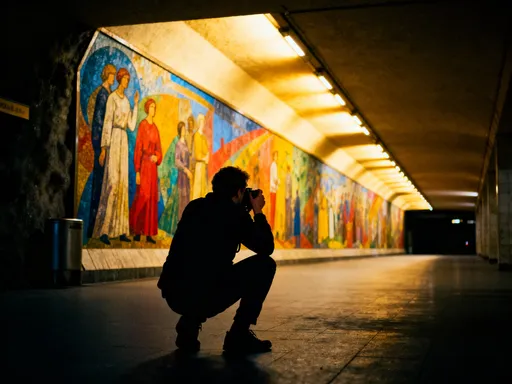
The Stockholm Metro is often called the world’s longest art gallery, and for good reason. Stretching over 100 kilometers and serving more than 100 stations, it’s a subterranean museum where every stop offers a distinct artistic experience. What makes this system extraordinary is not just the scale, but the intentionality. Since the 1950s, city planners have required that at least one percent of construction budgets for public buildings go toward art. This policy, known as konst i offentlig miljö (art in public environments), has resulted in over 90 decorated stations, each reflecting the character of its neighborhood. For photographers, this underground network is a dream—offering controlled lighting, dramatic architecture, and a constant flow of human movement.
One of the most photographed stations is Rådhuset, or City Hall Station. Carved directly into bedrock, its rough-hewn walls are painted in deep blues and reds that evoke the northern sky and earth. The lighting here is warm and directional, casting long shadows that shift throughout the day. Photographers often arrive early in the morning to capture the contrast between the raw stone and the colorful murals. T-Centralen, the central hub, features a striking red tunnel painted by artist Siri Derkert in the 1950s. The artwork includes poetic inscriptions and geometric patterns that celebrate peace and feminism—historical themes that still resonate today. The red stone glows under artificial light, creating a sense of warmth even in winter.
Stadion Station, serving the Olympic Stadium, is another favorite. Its ceiling is painted to resemble a starry sky, with thousands of tiny white lights embedded in a deep blue vault. The effect is magical, especially when captured with a wide-angle lens and a slow shutter speed. Nearby, Solna Centrum Station features bold, colorful mosaics by artist Karl-Olov Björk, depicting abstract figures and animals in vivid greens, yellows, and oranges. The contrast between the bright artwork and the surrounding gray urban landscape is striking. For photographers, these stations offer a rare combination of accessibility, artistic depth, and visual drama.
To shoot effectively in the metro, a few practical considerations help. First, natural light is minimal, so a camera with good low-light performance is ideal. A tripod is often unnecessary due to platform movement restrictions, but a stabilized lens can make a difference. Shooting during off-peak hours—early morning or late evening—reduces crowd interference and allows for cleaner compositions. Flash should be used sparingly, as it can flatten textures and disturb commuters. Most importantly, permission is not required for non-commercial photography, but respect for the space and its users is essential. The metro is not a stage; it’s a working part of the city’s life.
Södermalm: Where Grit Meets Gallery
Södermalm, affectionately known as Söder by locals, is Stockholm’s creative heartbeat. Perched on a rocky plateau south of the city center, this district blends historic charm with contemporary energy. Once a working-class neighborhood of factories and warehouses, it has evolved into a hub for artists, designers, and independent thinkers. Cobblestone streets wind up steep hills, offering panoramic views of the archipelago, while old brick buildings now house galleries, concept stores, and cozy cafés. For photographers, Södermalm is a treasure trove of textures, contrasts, and candid moments. It’s a place where decay and renewal exist side by side, where every doorway seems to whisper a story.
One of the district’s crown jewels is Fotografiska, a world-renowned museum dedicated to contemporary photography. Housed in a former customs building on the waterfront, it features rotating exhibitions from both established and emerging artists. The interior is sleek and minimalist, with carefully controlled lighting that enhances the viewing experience. For visiting photographers, it’s not just a place to see art but to study it—observing how professionals use light, composition, and narrative. Even the café offers inspiring views of the harbor, making it a perfect spot to reflect and recharge. Beyond Fotografiska, smaller galleries like Galleri Magnus Karlsson and Bonniers Konsthall showcase Swedish and international works in intimate settings, often in repurposed industrial spaces.
The real magic of Södermalm, however, lies in its streets. On Götgatan and Hornsgatan, vintage shops, bookstores, and design studios spill onto sidewalks, creating a lively streetscape. Graffiti appears alongside hand-painted signs, and flower boxes bloom even in winter. The architecture varies from 18th-century wooden houses to brutalist concrete blocks, offering endless compositional possibilities. Early morning light filters through narrow alleys, illuminating peeling paint and rusted iron railings. Late afternoon brings a golden glow that softens the edges of stone and glass. The key to capturing Södermalm is to wander without agenda—letting the neighborhood reveal itself gradually.
Human elements are central to the district’s appeal. Locals stroll with dogs, cyclists weave through traffic, and café patrons linger over coffee, wrapped in thick wool coats. These everyday moments, when framed with care, become powerful images. A woman reading on a park bench, a child peering into a shop window, a couple sharing a laugh under a streetlamp—these are the quiet stories that define Södermalm. Photographers who approach with empathy and curiosity, rather than intrusion, often find that people are open to being part of the narrative. A smile, a nod, a brief conversation can turn a snapshot into a shared moment.
Street Art Beyond Instagram: The Real Stories Behind the Murals
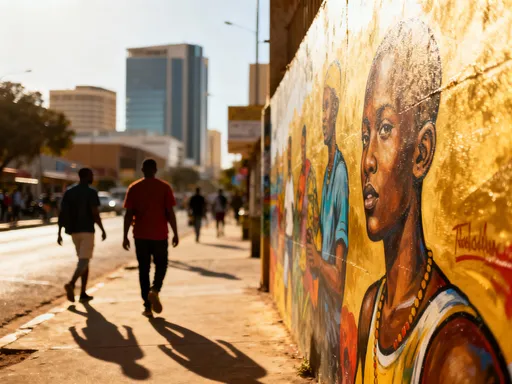
While central Stockholm offers polished galleries and curated installations, the city’s soul is also visible in its outer neighborhoods, where street art serves as a voice for communities often overlooked. Areas like Tensta, Rinkeby, and Husby are home to powerful murals that address themes of identity, migration, and social justice. Unlike the decorative tags that dominate tourist zones, these works are deeply rooted in local experience. They are not made for likes or shares but for recognition and resilience. For photographers, they represent an opportunity to engage with art that is both visually striking and socially meaningful.
Many of these murals are the result of community-led initiatives, often supported by the city’s public art programs. Artists collaborate with residents to create works that reflect shared histories and aspirations. In Tensta, for example, large-scale paintings depict figures from different cultures living side by side, celebrating diversity while acknowledging the challenges of integration. The colors are bold—deep purples, bright yellows, electric blues—designed to energize spaces that might otherwise feel neglected. These murals transform concrete walls into symbols of pride and belonging.
Photographing in these neighborhoods requires sensitivity. These are not backdrops for aesthetic exploration; they are lived-in communities. Ethical photography means approaching with respect, not just curiosity. It means avoiding voyeurism, refraining from photographing people without consent, and being mindful of context. A good practice is to visit during community events or art walks, when engagement is encouraged. Talking to locals, learning the stories behind the art, and acknowledging the neighborhood’s history can deepen both understanding and imagery. A photo taken with awareness carries more weight than one taken in haste.
Technically, these environments present unique challenges. Lighting is often uneven, with tall buildings casting long shadows. Surfaces may be textured or weathered, requiring careful focus. Wide-angle lenses help capture the full scale of murals, while zoom lenses allow for detail shots of symbolic elements—hands, eyes, cultural patterns. The best images often combine the artwork with human presence—a child playing beneath a painted tree, an elder sitting on a bench in front of a historical scene. These compositions tell richer stories, showing art not as isolated expression but as part of daily life.
Golden Hour at Djurgården: Nature, Sculpture, and Silence
Djurgården, an island nestled in the heart of Stockholm, offers a different kind of artistic experience—one where nature and culture intertwine. Once a royal hunting ground, it is now a sanctuary of green spaces, open-air museums, and sculpture parks. This is where the city breathes, where families picnic, where artists sketch, and where photographers find stillness. The light here has a special quality, especially during golden hour—the hour after sunrise and before sunset—when the sun casts a soft, warm glow across water, grass, and stone. It’s a time when shadows lengthen, colors deepen, and the world seems to slow down.
Skansen, the world’s oldest open-air museum, is a focal point of the island. It features historic buildings from across Sweden, recreated to show traditional rural life. In the early morning light, the wooden cottages and thatched roofs glow with amber tones, creating a timeless atmosphere. The museum is also home to native animals—elk, reindeer, lynx—adding a layer of natural authenticity. Photographers can capture both architectural details and candid wildlife moments, often within the same frame. Seasonal changes enhance the experience: snow blankets the ground in winter, turning the landscape into a monochrome dream, while spring brings blooming flowers and fresh greenery.
Nearby, the Royal Djurgården Sculpture Park features works by Swedish and international artists, seamlessly integrated into the landscape. Unlike formal galleries, this space allows art to exist in dialogue with nature. A bronze figure emerges from a grove of birch trees; a steel structure reflects in a still pond. These installations are designed to be discovered, not announced. For photographers, they offer opportunities for creative framing—using tree branches as natural frames, or capturing reflections in water. The interplay between organic and man-made elements creates visual tension and harmony in equal measure.
Seasonality plays a crucial role in shaping the mood and composition. Late autumn, with its pale sunlight and misty mornings, lends a melancholic beauty to the island. Early spring, when the ice begins to crack and birds return, brings a sense of renewal. Each visit offers a different palette—ochre and gray in winter, soft pinks and greens in spring, deep blues and golds in summer. The key is to visit repeatedly, learning how light and weather transform familiar scenes. A single path can look entirely different at dawn in January versus dusk in May. This rhythm teaches photographers to see not just what is in front of them, but how it changes over time.
Shooting the Details: Ceramics, Cafés, and Craft
While grand murals and sweeping landscapes capture attention, Stockholm’s artistic soul is also revealed in the small things. The city has a deep appreciation for craftsmanship, for the handmade, for the carefully considered object. This is evident in its ceramics, textiles, furniture, and even café interiors. To photograph Stockholm fully is to zoom in—to notice the curve of a teacup, the pattern on a cushion, the way light falls on a hand-thrown vase. These details are not mere decoration; they are expressions of cultural values—slowness, care, intention.
One iconic example is Svenskt Tenn, a design store founded in 1924 and still operating in its original location on Strandvägen. Known for its bold fabrics and timeless furniture, it’s a temple of Swedish design. Inside, the lighting is soft and warm, with lamps designed by Josef Frank casting gentle pools of color. The displays are carefully arranged, creating a sense of curated harmony. Photographing here requires permission, but the staff is often welcoming to respectful visitors. A macro lens reveals the texture of fabric, the brushstrokes on a ceramic bowl, the grain of wood. These close-ups tell stories of tradition and innovation, of continuity and change.
Smaller design shops and studios across the city offer similar opportunities. In Södermalm, tucked-away boutiques showcase local potters, weavers, and illustrators. A single shelf might hold hand-painted plates, linen napkins, and handmade candles—each item a small work of art. Photographing these spaces means capturing not just objects, but atmosphere. The steam rising from a coffee cup, the shadow of a plant on a wall, the way a customer touches a fabric—these moments convey warmth and humanity. Asking permission is not just polite; it often leads to conversation, which in turn leads to better, more authentic images.
Lighting in these intimate spaces is often soft and directional, coming from windows or pendant lamps. This creates natural contrast and depth, ideal for storytelling. A tripod may be necessary in low-light conditions, but a high ISO setting on modern cameras can preserve detail without noise. The key is to avoid harsh flash, which disrupts the mood. Instead, embrace the dimness—it adds character. These quiet interiors remind photographers that art is not always loud or large; sometimes, it’s a whisper, a detail, a moment of stillness.
How to Photograph Like a Local: Mindset Over Gear
After weeks of exploring Stockholm through my lens, I realized that the best photographs didn’t come from the most expensive equipment, but from the deepest attention. Locals don’t rush through the city; they move with a quiet awareness, noticing changes in light, weather, and mood. To photograph like a local is to adopt this rhythm—to slow down, observe, and connect. It means putting the camera down sometimes, just to feel the air, hear the bells, watch the way people move. When you return to shooting, your images carry that presence.
Stockholm rewards the patient observer. A busker playing violin at a metro entrance, a couple sharing an umbrella in the rain, an old man feeding ducks at dawn—these are the moments that define the city. They can’t be forced or staged. They emerge when you’re not looking, when you’re simply being. This is the mindset shift: from capturing to witnessing. A photograph becomes not just a record, but a reflection of relationship—with the place, the people, the light.
Practically, this means visiting the same spots at different times, learning their rhythms. It means using public transport instead of taxis, walking instead of rushing. The tram lines, the ferries, the bike paths—they all offer new perspectives. And they lead to places guidebooks don’t mention: a quiet courtyard in Kungsholmen, a hidden staircase in Vasastan, a sunlit bench in Gärdet. These are the layers beneath the surface, the ones that reveal themselves only to those who linger.
Finally, ethical photography is not a limitation—it’s an invitation. It asks you to engage, to respect, to listen. It reminds you that every image has a context, a story, a human element. When you photograph Stockholm’s art, you’re not just taking pictures. You’re participating in a conversation that has been unfolding for generations. You’re adding your voice, your vision, your moment. And in doing so, you’re not just seeing the city—you’re becoming part of it.
Stockholm taught me that culture isn’t something you visit—it’s something you see, feel, and frame. When you photograph its art, you’re not just capturing images; you’re learning to read a city’s soul. Pick up your camera, but leave expectations behind. The real magic? It’s already in front of you—waiting, quiet, alive.