This Is Tasmania: Where Food Meets Jaw-Dropping Architecture
You know that feeling when a place completely redefines your idea of travel? Tasmania did that for me. It’s not just about wild landscapes—it’s where farm-to-table dining unfolds in century-old sandstone warehouses, and coastal cafes cling to cliffs like art installations. I never expected the architecture to elevate the food scene so dramatically. Let me take you through a journey where every meal feels like a story told through stone, steel, and sea breeze. This is not merely a destination for the palate or the eye, but for the soul that craves authenticity, craftsmanship, and connection. In Tasmania, every structure seems to whisper history, and every bite speaks of the land.
Arrival in Hobart: A City That Feels Like a Living Museum
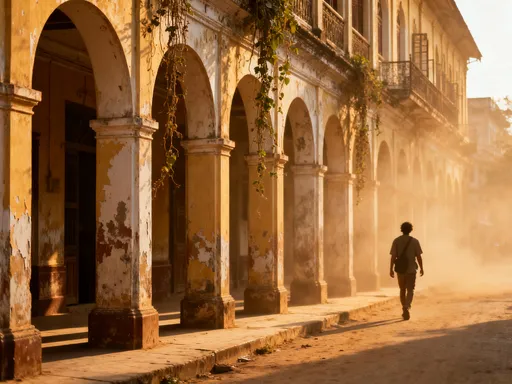
Hobart greets visitors with a quiet dignity, as if it has long known its place in the world and sees no need to shout about it. Nestled between the curves of the Derwent River and the watchful presence of Mount Wellington, the city unfolds in a mosaic of colonial charm and contemporary grace. The air carries a crispness unique to southern latitudes—clean, briny, and faintly pine-scented—while the streets reveal layers of history in their very fabric. Georgian sandstone buildings line the waterfront, their facades worn smooth by decades of salt winds and gentle neglect. These are not museum pieces frozen in time, but living spaces reborn as wine bars, artisan bakeries, and intimate restaurants.
Nowhere is this transformation more vivid than at Salamanca Place. On Saturday mornings, the weekly market draws locals and travelers alike beneath the arcades of 1830s warehouses, where convict hands once hauled wool and grain. Today, those same thick-walled structures host chefs slow-roasting lamb raised on nearby pastures or pouring cool-climate pinot noirs that reflect the island’s maritime terroir. The architecture here does more than shelter—it deepens the experience. There’s something about sitting in a vaulted stone room, sipping oyster broth seasoned with native seaweed, while listening to the creak of wooden floorboards that have borne footfall for nearly two centuries. The space becomes part of the meal, adding texture, weight, and a quiet reverence.
The sensory shift from visual to taste is subtle but powerful. The coolness of the stone walls seems to preserve not just the temperature, but the integrity of flavor. A dish of locally caught abalone, seared gently and served with finger limes, tastes different here than it would in a glass-walled modern eatery. It tastes anchored. The building reminds you that this food did not appear out of nowhere—it comes from a place with memory, rhythm, and resilience. In Hobart, dining is never just about consumption; it’s about continuity.
Museum of Old and New Art (MONA): Where Avant-Garde Design Fuels Gastronomy
If Hobart’s heritage buildings speak of history, MONA—Tasmania’s most provocative cultural landmark—whispers something entirely different: a future where art, architecture, and appetite collide in unexpected harmony. Built into the cliffs of Berriedale, the museum emerges not from the landscape but from within it, a subterranean maze carved into sandstone like a modern-day catacomb. Designed by David Walsh, a local billionaire with a taste for the theatrical, MONA defies categorization. It is equal parts archaeological dig, sensory experiment, and architectural rebellion. But beyond the shock-value artworks and labyrinthine tunnels lies an often-overlooked truth: MONA is also a destination for the senses of taste and touch.
The centerpiece of its culinary offering is Faro, the on-site restaurant that treats dining as performance art. Here, the architecture is not a backdrop but a co-conspirator. Natural light filters through narrow slits in the rock, illuminating tables arranged in intimate alcoves. The acoustics are carefully calibrated—soft enough to allow conversation, yet resonant enough to make the clink of cutlery feel ceremonial. The menu changes daily, driven by seasonal availability and the chef’s dialogue with local producers. One evening might feature roasted mutton from a highland farm, paired with fermented beetroot and wild herbs; another could offer raw tuna with green strawberries and Tasmanian mountain pepper.
What makes Faro extraordinary is not just the food, but the way space shapes perception. Diners descend into the restaurant as if entering a sacred chamber. There are no windows to the outside world—only the glow of recessed lighting and the occasional glimpse of ancient rock formations embedded in the walls. This deliberate disconnection enhances focus on the plate. Each dish arrives like an artifact, plated with precision that echoes the museum’s curatorial rigor. The architecture strips away distraction, allowing flavor to take center stage. It is a reminder that context matters—that a meal served in a thoughtfully designed space can transcend nourishment and become ritual.
MONA challenges the notion that bold architecture must be cold or impersonal. Instead, it proves that radical design can deepen emotional connection. The roughness of the stone, the intimacy of the layout, and the theatricality of the descent all conspire to make the diner feel part of something larger. In this underground world, food is not just eaten—it is experienced, remembered, and felt.
Farm Stays with Character: Heritage Cottages and Field-to-Table Magic
Just a thirty-minute drive from Hobart lies the Coal River Valley, a ribbon of vineyards, orchards, and grazing land where time slows and the air hums with the quiet industry of bees and birds. Scattered across this pastoral landscape are restored farmhouses and cottages, many dating back to the early 1800s, where travelers can wake to the scent of woodsmoke and the sight of mist rising off dew-kissed fields. These are not luxury resorts in the conventional sense, but homes with soul—built from local stone, timber, and intention.
One such stay is a two-century-old shepherd’s cottage, its walls nearly two feet thick, its fireplace still the heart of the house. Breakfast is served in a converted wool shed, now open on one side with floor-to-ceiling glass that frames the valley like a living painting. A long table, crafted from reclaimed Huon pine, holds platters of just-baked sourdough, honey harvested from on-site hives, and poached eggs from free-range chickens that roam the garden. There is no menu, no rush—only the rhythm of the farm dictating the pace.
The architecture here enhances authenticity. The heavy stone walls retain heat from the sun, creating a microclimate of warmth even on chilly mornings. The timber beams, hand-hewn and slightly uneven, speak of craftsmanship rather than perfection. Ceramic tiles on the floor were made in a nearby studio using local clay, their glaze reflecting the soft greens and greys of the surrounding hills. Every material has a story, and every detail feels intentional. When you bite into a strawberry picked that morning, its sweetness seems amplified by the knowledge that you are eating it in a space shaped by the same land.
These stays offer more than comfort—they offer communion. The design does not dominate the landscape but responds to it. Large windows face east to catch the sunrise; verandas wrap around to follow the arc of the sun. Even the acoustics are shaped by nature: the rustle of leaves, the distant lowing of cattle, the soft clink of cutlery on porcelain—all become part of the soundscape. In this setting, food is not separate from place; it is an expression of it. The architecture becomes a bridge between the land and the table, reminding us that taste is not just chemical, but emotional and environmental.
Coastal Eateries That Defy Gravity and Design Norms
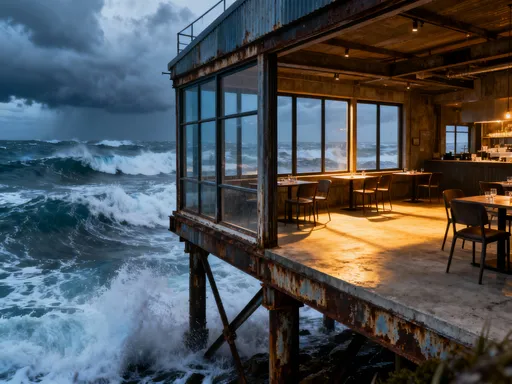
Along Tasmania’s rugged eastern coastline, where the Southern Ocean crashes against dolerite cliffs, a new kind of architecture has emerged—one that clings to the edge, embraces the elements, and turns dining into a drama of light, wind, and view. These coastal eateries are not hidden; they are boldly positioned, often perched on stilts or wrapped in weathered steel, built to withstand gales that can howl for days. Yet within, they offer warmth, intimacy, and a sense of sanctuary.
One standout is a minimalist restaurant near Eaglehawk Neck, accessible by a narrow gravel road that winds through coastal scrub. From a distance, the building appears almost sculptural—a low-slung rectangle of blackened timber and glass, hugging the contours of the land. Inside, panoramic windows frame the Tasman Sea like a moving painting. On stormy days, waves explode against the rocks below, sending plumes of spray into the air. Diners sit at tables made from salvaged kauri wood, wrapped in woolen blankets, sipping shellfish broth that tastes of salt and smoke.
What makes these spaces remarkable is their use of local materials. Architects draw from the island’s geology and history, incorporating dolerite rock into foundations, using reclaimed timber from old fishing boats for wall paneling, and installing roofs of corrugated iron that echo the island’s rural vernacular. These choices ground the buildings in place, making them feel inevitable rather than imposed. The design respects the wildness of the coast while creating pockets of human warmth.
Equally important is the role of interior design in shaping connection. Low ceilings, warm lighting, and carefully placed seating encourage conversation. Acoustics are managed to soften the wind’s roar without blocking it entirely—because part of the experience is feeling the power of nature just beyond the glass. Shared tables foster a sense of community, especially among solo travelers or small families. In these spaces, dining is not just about eating; it’s about belonging—to the moment, to the place, to the people around you.
Launceston’s Revival: Old Jails and Flour Mills Turned Food Hubs
Travel north to Launceston, and the story of architectural reinvention continues. Once an industrial hub powered by rivers and rail, the city has embraced its heritage not as a relic, but as a foundation for renewal. The Cataract Gorge, carved by the South Esk River, is surrounded by Victorian-era buildings that once served as mills, warehouses, and even a small jail. Today, many have been repurposed into cafes, breweries, and artisan food markets.
One of the most striking examples is a former flour mill transformed into a bakery and coffee roastery. The original stone walls remain, now housing shelves of sourdough loaves and jars of house-made preserves. The centerpiece is a set of 19th-century grinding stones, no longer functional but preserved as a decorative monument to the building’s past. The scent of toasted grain fills the air, mingling with the rich aroma of dark roast coffee. Here, slow food meets fast design—traditional techniques honored within a space that feels both modern and timeless.
This adaptive reuse is more than aesthetic; it preserves community memory. When locals gather for weekend brunch in a café built inside a converted jail cell block, they are not just eating—they are reconnecting with layers of history. The iron bars are gone, but the thick walls remain, whispering stories of containment and transformation. The food, too, reflects this duality: dishes that are simple yet profound, rooted in seasonal ingredients but presented with contemporary flair. A plate of roasted pumpkin with labneh and spiced walnuts feels both ancient and new, much like the building itself.
These spaces prove that progress does not require erasure. By honoring the past, Launceston has created a culinary identity that is both authentic and evolving. The architecture acts as a container for memory, while the food becomes the living expression of change. Together, they tell a story of resilience—one that resonates deeply with visitors seeking meaning beyond the plate.
Beyond the Cities: Hidden Eateries in Unlikely Structures
Leave the main roads, follow the gravel tracks, and you’ll find Tasmania’s most honest meals served in the most unassuming places. A farm gate café in a converted shearing shed. A weekend pop-up in a disused schoolhouse. A seafood shack built from shipping containers on a quiet cove. These are not destinations advertised in glossy brochures, but discoveries made by chance or local recommendation—places where architecture is raw, functional, and full of character.
One such gem is a shearing shed turned café in the Midlands, where corrugated iron walls rattle in the wind and the floor slopes slightly from decades of use. The menu is handwritten on a chalkboard, changing with the season: lamb pie in winter, heirloom tomato salads in summer, always accompanied by freshly baked damper. Long communal tables invite conversation between strangers. There is no air conditioning, no music—just the hum of conversation, the clatter of dishes, and the occasional bark of a working dog outside.
The charm lies in the imperfection. A leaky roof repaired with tar. A door that sticks. A window that won’t quite close. These flaws are not hidden; they are embraced as part of the story. And in this honesty, the food feels more truthful. When you eat a piece of apple tart made from fruit grown in the orchard next door, served on chipped ceramic plates, you are not paying for presentation—you are paying for presence. The architecture, humble as it is, amplifies the integrity of the meal.
These spaces stand in quiet contrast to the high-design restaurants of Hobart or the dramatic forms of coastal eateries. Yet they are no less moving. If MONA teaches us that architecture can elevate food through intention, these rustic spots remind us that simplicity can do the same. Both are essential to Tasmania’s culinary soul—one celebrates innovation, the other honors tradition. Together, they create a balance that feels deeply human.
Why This Blend Matters: The Deeper Connection Between Place and Plate
Tasmania’s magic lies not in any single restaurant, building, or dish, but in the way they come together to tell a larger story. This is an island shaped by isolation, by harsh weather and remote beauty, by waves that have worn down rock and time that has softened edges. Its architecture—whether colonial, industrial, avant-garde, or rustic—reflects a people who build to endure, to remember, and to belong. And its food, grown in cool soils and clean air, carries the same ethos: honest, resilient, deeply rooted.
What makes the Tasmanian experience unique is the synergy between structure and sustenance. Meals taste better here not just because the ingredients are fresh, but because the spaces in which they are served carry meaning. A bite of cheese in a stone-walled cellar feels different than one in a generic shopping mall. A glass of wine in a cliffside restaurant carries the weight of the sea beyond the glass. The architecture does not merely house the food—it enhances it, giving it context, depth, and emotional resonance.
For travelers, this offers a new way of seeing. It invites us to look beyond the menu, to notice the light falling through a window, the texture of a wall, the sound of the wind against a roof. It challenges us to seek out places where design and dining are in dialogue, where history and flavor coexist. You don’t need to visit Tasmania to find such spaces—every region has its hidden gems, its repurposed barns, its cliffside cafes. But Tasmania shows us how powerful that blend can be when done with care, respect, and vision.
In the end, this is more than a travel destination. It is a philosophy: that the best meals are not just eaten, but felt. That architecture can be a vessel for memory. That taste is shaped as much by place as by palate. Tasmania does not shout its virtues. It lets them unfold slowly, like a long meal shared with old friends. And once you’ve experienced it, you begin to see the world differently—not just as a collection of sights and flavors, but as a living tapestry of stone, soil, and soul.